Recovering from OLIF surgery requires careful attention to your health and strict adherence to your doctor’s advice. Following these guidelines will help ensure safe healing, reduce complications, and restore your mobility.
1. Wound Care
Keep it clean: Gently clean the surgical site as instructed by your doctor to prevent infection.
Check for warning signs: Watch for redness, swelling, warmth, or any discharge. Contact your doctor immediately if you notice these changes.
Avoid unnecessary contact: Do not touch or press on the wound during the initial healing period.
2. Movement
Start gently: Begin light movements as advised to prevent stiffness and promote blood flow.
Avoid strain: Refrain from lifting heavy objects or engaging in strenuous activities in the early stages.
Increase activity gradually: Slowly build up your activity level as your strength improves.
3. Diet
Prioritize nutrition: Eat balanced meals rich in protein to support tissue repair.
Stay hydrated: Drink plenty of water to keep your body well-hydrated and promote healing.
4. Rest
Get enough rest: Allow your body sufficient downtime to recover.
Sleep smart: Choose sleeping positions that avoid putting pressure on your surgical site.
5. Follow-up Care
Keep your appointments: Attend all scheduled visits so your doctor can track your recovery and adjust your care plan if needed.
Precautions
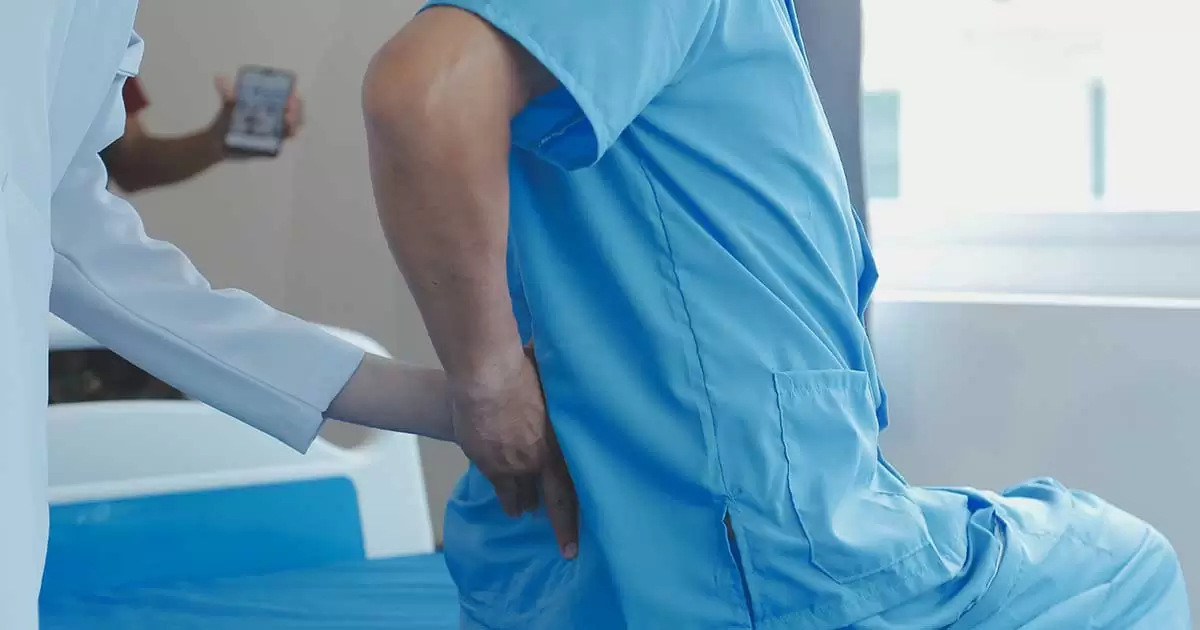
Monitor symptoms: If you experience increased back pain, numbness, tingling, or weakness, seek medical attention promptly.
Follow instructions closely: Carefully adhering to your surgeon’s advice will help you recover faster and achieve the best results.
Additional Support
Your doctor may recommend physical therapy to rebuild muscle strength, improve flexibility, and support long-term spine health.
For more information Orthopedic CenterBangkok Hospital Pattaya Tel. 0-3825-9999