
What is Obstructive Sleep Apnea?
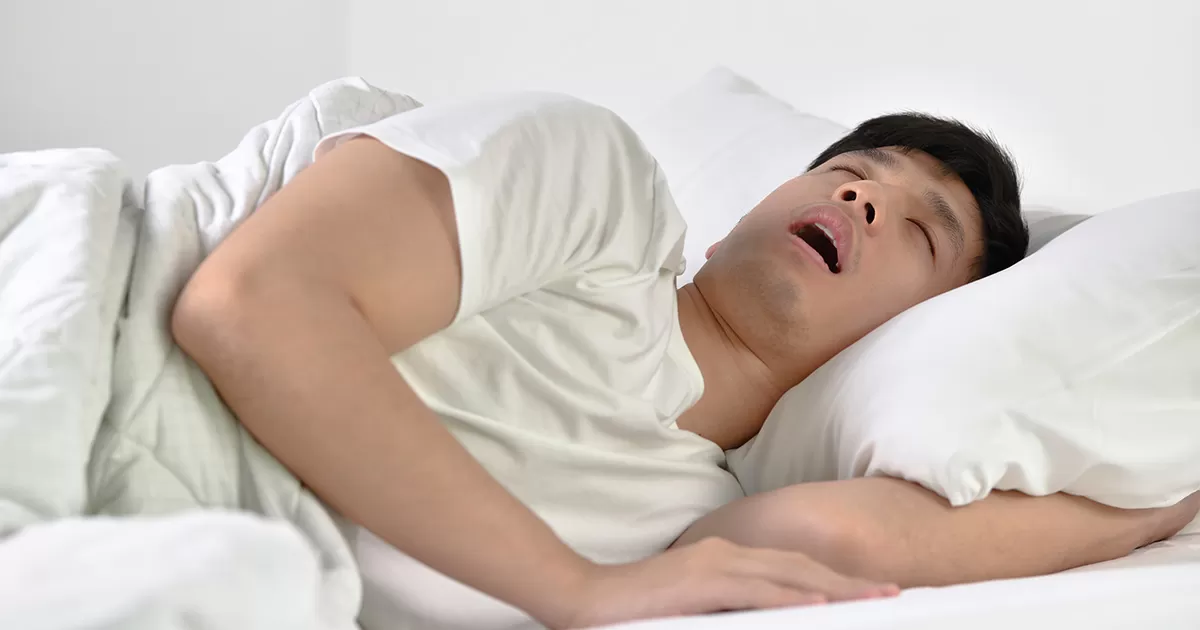
Obstructive Sleep Apnea (OSA) is a sleep disorder in which the airway becomes repeatedly blocked during sleep. This happens because the muscles in the throat relax excessively, leading to restricted airflow and reduced oxygen levels in the body. The condition affects sleep quality and increases the risk of high blood pressure, heart disease, and stroke.
Symptoms of Sleep Apnea
Common symptoms of obstructive sleep apnea include loud snoring, breathing pauses during sleep that may be accompanied by gasping or choking, and restless or fragmented sleep. Many individuals feel excessively sleepy or fatigued during the day and may find themselves waking up frequently at night to urinate. Morning headaches, along with waking up with a dry mouth or sore throat, are also common. Additionally, some people experience problems with memory, concentration, mood swings, and a decrease in sexual function. If you experience any of these symptoms—especially loud snoring or noticeable pauses in breathing during sleep—it’s essential to consult a doctor for proper evaluation and diagnosis.
Several risk factors can contribute to OSA, including:
- Facial anatomy: A narrow throat, large tongue, or recessed chin can block airflow.
- Excess weight: Fat deposits around the neck may obstruct breathing.
- Aging: Throat muscles tend to relax more with age, increasing the risk of airway collapse.
- Lifestyle habits: Alcohol consumption, smoking, and sleeping pills can further relax throat muscles.
- Genetics: A family history of sleep apnea increases your risk.
How is Obstructive Sleep Apnea Diagnosed?
Doctors typically use the following methods:
- Medical history and physical examination: Assessment of symptoms and throat structure.
- Sleep study (Polysomnography): A test that monitors oxygen levels, breathing patterns, and sleep stages using sensors while you sleep.
Treatment Options for Obstructive Sleep Apnea
- Lifestyle and Sleep Habit Changes
- Weight loss: Reducing neck fat can help open up the airway.
- Sleep position adjustment: Sleeping on your side instead of your back.
- Avoiding alcohol and sedatives: Helps prevent excessive muscle relaxation.
- CPAP (Continuous Positive Airway Pressure) Therapy
- A highly effective treatment that uses a device to deliver steady air pressure, keeping your airway open throughout the night.
- Oral Appliance Therapy
- Suitable for mild to moderate OSA. These custom-fit dental devices gently move the lower jaw forward to keep the airway open.
- Surgical Options
- For patients with structural issues like enlarged tonsils or jaw abnormalities, surgery may be considered alongside or after CPAP therapy.
Obstructive Sleep Apnea is a serious but treatable condition that can impact your sleep and overall health. If you snore loudly, have high blood pressure, or suspect you may have sleep apnea, don’t ignore the signs. Early diagnosis and proper treatment can help prevent serious complications.
If you’d like more information about sleep apnea, treatment options, or how to improve your sleep health, speak with a sleep specialist today.
Neurologist / Epileptologist / Sleep Medicine
Neuroscience Center, Bangkok Hospital Pattaya


.png)