






Mosquito-borne illnesses are a growing global concern, and Chikungunya is one that deserves serious attention. Although not usually fatal, this viral infection can cause intense joint pain, high fever, and long-term health complications that disrupt daily life. Because its symptoms often resemble dengue and Zika, many people struggle to recognize it early. Knowing the signs, treatment options, and prevention measures can make a big difference.
What is Chikungunya?
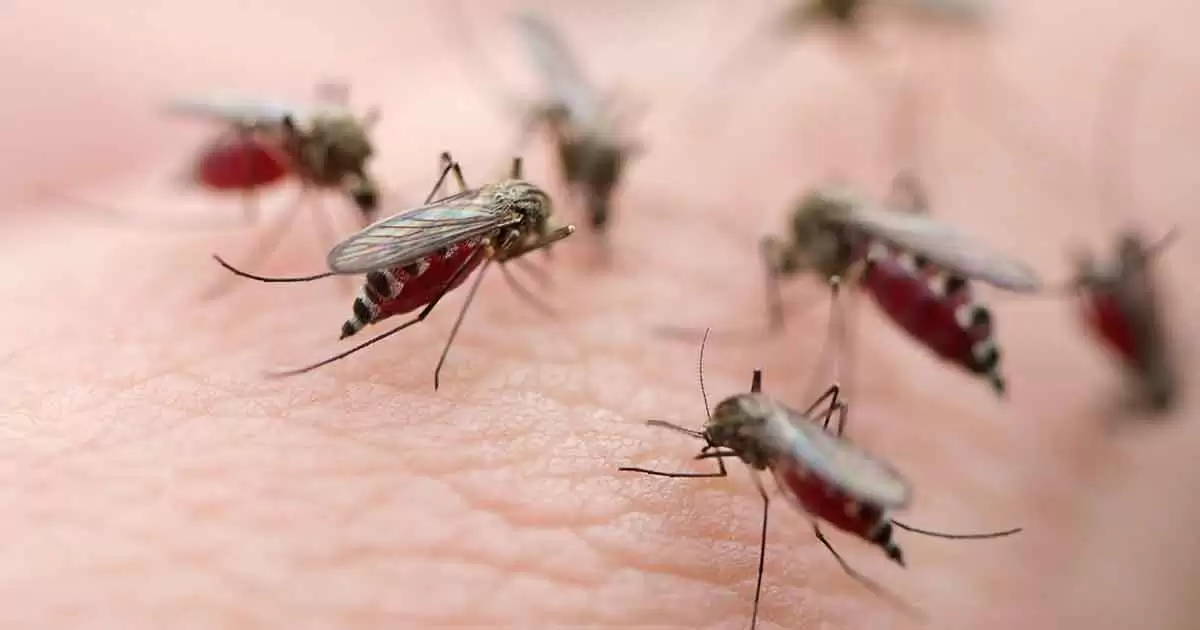
Chikungunya is a viral disease transmitted mainly by the Aedes aegypti and Aedes albopictus mosquitoes—the same species responsible for spreading dengue and Zika.
The word “Chikungunya” originates from the Kimakonde language of Tanzania and translates to “that which bends up,” a reference to the crippling joint pain that causes many patients to stoop or bend over during illness.
First identified in East Africa in the 1950s, the virus has since spread widely across Asia, the Americas, and parts of Europe. Today, factors such as climate change, rapid urbanization, and increased international travel continue to fuel the risk of new outbreaks worldwide.
How is Chikungunya Transmitted?
Chikungunya spreads through the bite of an infected mosquito, primarily the Aedes aegypti and Aedes albopictus species. These mosquitoes are most active during the daytime, especially in the early morning and late afternoon.
When a mosquito bites a person who already has the virus in their bloodstream, the insect becomes infected. That mosquito can then transmit the virus to another person during its next bite.
Unlike some diseases that spread directly from person to person, Chikungunya requires mosquitoes as the carrier (vector). This makes controlling mosquito populations and preventing bites the most effective way to stop transmission.
Chikungunya Symptoms to Watch Out For
Recognizing Chikungunya symptoms early is crucial to getting proper care and preventing complications. Symptoms typically develop within 2–7 days following an infected mosquito bite.
Common Symptoms:
- High fever (often above 39°C / 102°F)
- Severe joint pain (especially in the wrists, ankles, and knees)
- Muscle pain and stiffness
- Headaches
- Skin rash (small red patches or bumps)
- Nausea and fatigue
Severe or Long-Term Symptoms:
In some cases, joint pain may last for weeks or even months, resembling arthritis and significantly affecting daily activities. Individuals with weakened immune systems, older adults, newborns are at higher risk for severe complications.
It is important to note that Chikungunya symptoms can be easily mistaken for dengue or Zika. However, unlike dengue, Chikungunya rarely causes severe bleeding or shock.
How is Chikungunya Diagnosed?
Doctors diagnose Chikungunya based on the patient’s symptoms and recent travel history to areas where outbreaks are common. Because its signs resemble dengue and Zika, laboratory tests are often required. PCR can detect the virus in the early stage, while serology tests identify antibodies in the blood to confirm infection.
Chikungunya Treatment Options
At present, there is no specific antiviral medication available to cure Chikungunya. Treatment is primarily supportive, focusing on relieving symptoms and allowing the body to recover naturally.
Standard Chikungunya Treatment Approaches:
- Rest: Adequate rest is vital to support the immune system.
- Hydration: Drinking plenty of fluids prevents dehydration caused by fever.
- Pain relief: Over-the-counter medications such as acetaminophen (paracetamol) can reduce fever and joint pain.
- Avoid NSAIDs initially: Drugs like ibuprofen should be avoided until dengue is ruled out, since they may increase bleeding risk in dengue patients.
- Medical supervision: Severe cases, particularly in vulnerable groups, require hospitalization and close monitoring.
Current Limitations
Despite ongoing research, no specific vaccine or antiviral treatment is available for Chikungunya at this time. Therefore, prevention—through mosquito control, protective clothing, and repellents—remains the most effective strategy to reduce infection risk.
Long-Term Effects of Chikungunya
While most patients recover completely, some continue to experience joint pain and stiffness for months or even years. This lingering discomfort can interfere with daily activities, leading to reduced productivity and emotional stress. Physical therapy, gentle exercise, and a balanced diet rich in anti-inflammatory foods may help aid recovery.
Chikungunya Prevention: Staying Safe from Mosquito Bites
With no cure or vaccine available, Chikungunya prevention is the most effective way to protect yourself and your family.
Practical Prevention Tips:
- Eliminate standing water: Mosquitoes breed in stagnant water, so clean flower pots, buckets, and drains regularly.
- Use mosquito repellents: Apply repellents containing DEET, picaridin, or lemon eucalyptus oil on exposed skin.
- Wear protective clothing: Long sleeves, pants, and light-colored clothing can reduce mosquito bites.
- Install mosquito screens: Keep windows and doors covered with fine mesh.
- Use bed nets: Especially important for babies, elderly individuals, and those recovering from illness.
- Community action: Coordinated efforts to reduce mosquito populations are essential in outbreak-prone areas.

Chikungunya vs. Dengue vs. Zika
These mosquito-borne diseases share similar symptoms but have key differences:
- Chikungunya: Severe joint pain is the hallmark symptom.
- Dengue: High risk of bleeding, shock, and potentially fatal complications.
- Zika: Often mild, but dangerous for pregnant women as it can cause birth defects.
Recognizing these distinctions is vital to seek the right medical care promptly.
When to See a Doctor
Seek medical attention if you experience:
- Experience severe or persistent joint pain
- Have high fever that does not improve
- Show signs of dehydration or extreme fatigue
- Recently traveled to an area with known Chikungunya outbreaks
Prompt care ensures proper treatment and helps rule out other serious illnesses like dengue or Zika.
Living with Chikungunya: Recovery Tips
Recovery can take time, and lingering joint pain is common. To support healing:
- Drink plenty of fluids and eat nutrient-rich foods.
- Do gentle stretching or light exercise to ease stiffness.
- Apply warm compresses to soothe painful joints.
- Connect with support groups or online communities for encouragement.
Final Thoughts
Chikungunya may not be as deadly as some mosquito-borne illnesses, but its painful symptoms and potential long-term effects make it a condition that should not be ignored. Understanding Chikungunya symptoms, seeking timely treatment, and prioritizing prevention can protect you and your family from unnecessary suffering.
With no vaccine available, prevention remains the strongest defense. By staying informed, reducing mosquito breeding sites, and using protective measures, individuals and communities can limit the spread and impact of Chikungunya.